GLOBAL IMAGING BRIEF
Why it matters
Cinematographers must verify clearance before shooting to avoid lens collision, ensuring consistent exposure without compromising the subject's surface integrity.
This analysis addresses the spatial constraints of shooting at 1:1 magnification with the ELYSAS MUSE PRIME 135 mm T2.8 Macro, focusing on working-distance definition and lighting access for reflective subjects. It distinguishes between manufacturer specifications and practical rigging needs.
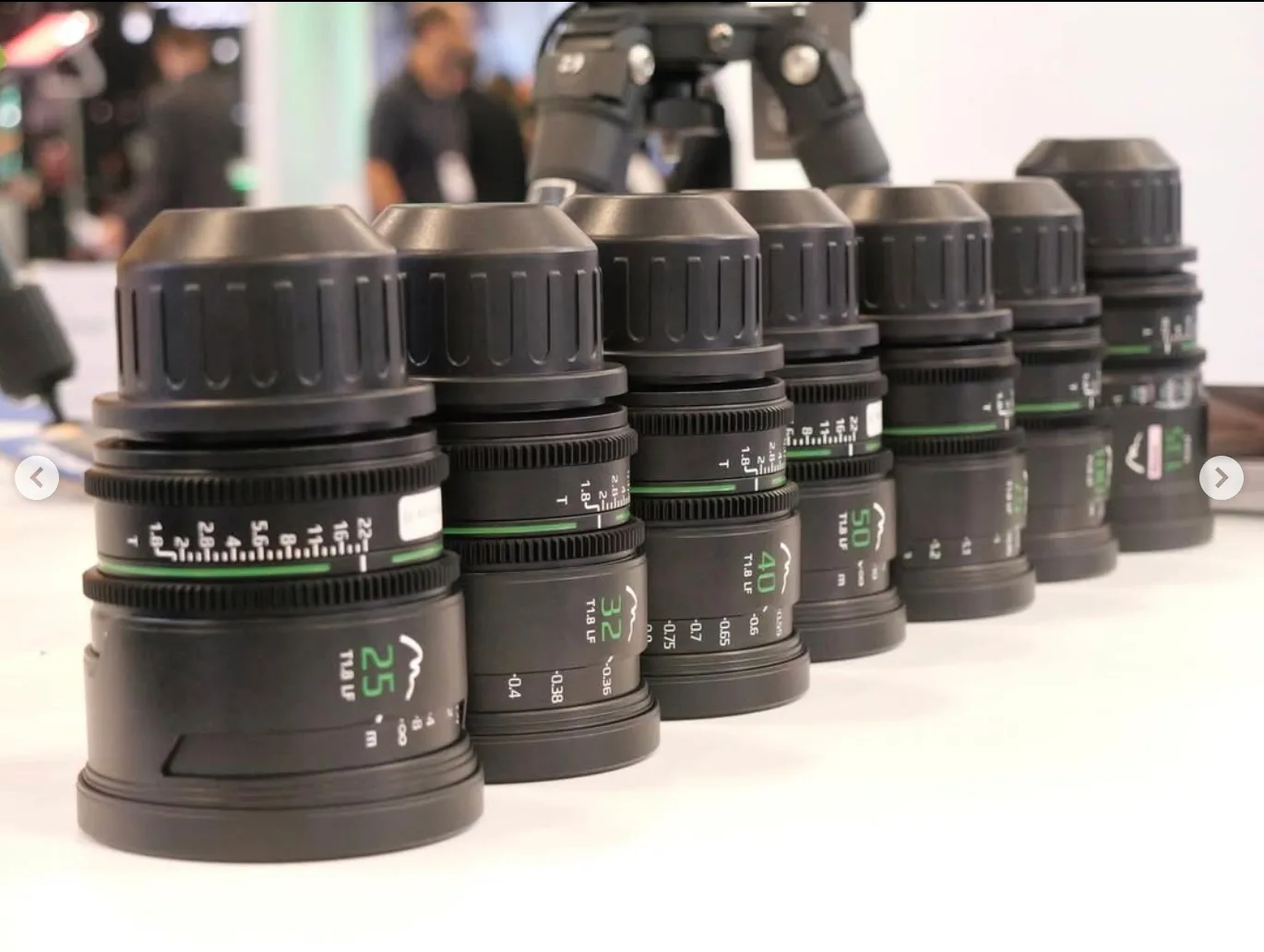
GLOBAL IMAGING BRIEF
Cinematographers must verify clearance before shooting to avoid lens collision, ensuring consistent exposure without compromising the subject's surface integrity.
Full perspective
Shooting at 1:1 magnification transforms the lens from a framing tool into a physical obstacle. The ELYSAS MUSE PRIME 135 mm T2.8 Macro is designed for this extreme close-up, but its 114 mm length and minimum object distance create a tight corridor between the front element and the sensor plane. This space is not just empty volume; it is the primary zone for light, modifiers, and camera support. Unlike standard primes where light wraps around the barrel, macro work requires precise placement within this narrow gap, demanding a shift in how we approach illumination strategy.
The challenge intensifies when dealing with reflective subjects. At high magnification, even small light sources can cast harsh specular highlights or unwanted reflections directly onto the lens front element, especially given the 95 mm diameter. The T2.8 aperture further restricts light intake compared to the T1.8 variants, requiring careful balance between exposure and depth of field. We cannot rely on diffusion alone to solve these issues; instead, we must define the working distance precisely and test lighting access angles that avoid direct line-of-sight interference while maintaining the intended 'Melted Bokeh' rendering characteristics described by the manufacturer.
The ELYSAS MUSE PRIME 135 mm T2.8 Macro presents a unique spatial constraint where the lens itself becomes the primary obstacle to illumination. The manufacturer specifies a minimum object distance of 140 mm from the front element and 300 mm from the sensor plane, but these figures represent the absolute closest focus point at 1:1 magnification, not the usable clearance at intermediate distances or with accessories attached. At this extreme close-up range, the 114 mm physical length of the lens creates a narrow tunnel between the subject and the camera body. Cinematographers must recognize that this space is not merely empty volume; it is the critical zone where light modifiers, diffusers, and support rigs must fit without interfering with the optical path. Unlike standard primes where light can wrap around the barrel, macro work requires precise placement within this gap, demanding a shift in how we approach illumination strategy.
When dealing with reflective subjects, the challenge intensifies due to the geometry of high-magnification imaging. The lens features a 95 mm front diameter and an 86 mm filter thread, creating a large physical surface that can easily capture harsh specular highlights or unwanted reflections from nearby light sources. At 1:1 magnification, even small lights can cast direct reflections onto the front element, compromising image quality. The T2.8 aperture further restricts light intake compared to the T1.8 variants, requiring careful balance between exposure and depth of field. We cannot rely on diffusion alone to solve these issues; instead, we must define the working distance precisely and test lighting access angles that avoid direct line-of-sight interference. This approach ensures that the intended 'Melted Bokeh' rendering characteristics are maintained without introducing artifacts from stray light or lens flare.
The transition from standard primes to the 135 mm Macro involves significant trade-offs in rig configuration and exposure management. While the six non-macro primes in the MUSE PRIME series share similar mechanical traits such as 0.8 MOD gears and aligned focus/iris positions, the 135 mm Macro's increased length and weight (exceeding 0.9 kg in some LPL variants) affect gimbal balance and require more robust support systems. The T2.8 transmission limit means less light reaches the sensor than with T1.8 lenses, necessitating either higher ambient light levels or larger, more complex diffusers that must fit within the tight working corridor. Furthermore, the approximately 17% focus breathing from 0.1× to 1× magnification demands careful monitoring of framing changes during focus pulls. These factors collectively influence the decision-making process for rental teams and cinematographers, who must prioritize clearance and stability over the convenience of quick swaps.
To verify lighting access without guessing, set up a controlled test using the ELYSAS MUSE PRIME 135 mm T2.8 Macro on a full-frame cinema camera. Mount the lens and focus to 1:1 magnification, noting that the manufacturer specifies a minimum object distance of 140 mm from the front element and 300 mm from the sensor plane. Place a matte grey card at the subject position and insert thin, neutral-density diffusers or polarizing sheets between the light source and the lens front element. Observe whether the diffuser physically obstructs the optical path or casts shadows on the card when moved laterally. This test isolates the physical corridor defined by the 95 mm front diameter and 114 mm barrel length, allowing the crew to determine the maximum width of modifiers that can pass through the gap without touching the lens hood or causing vignetting. Repeat the test with different camera formats to see how the image circle coverage interacts with the macro space, ensuring that the 'Melted Bokeh' rendering is not compromised by stray light entering from the sides.
The manufacturer's specification page provides discrete breathing percentages for two intervals—approximately 3% from infinity to 0.1× and approximately 17% from 0.1× to 1×—but these figures do not reveal the continuous curve or sudden points of change within the macro range. Cinematographers must recognize that slowing a focus pull changes the timing of framing drift but does not alter the total percentage of shift. Furthermore, while the 140 mm minimum object distance is published, it does not account for the clearance required when accessories such as follow-focus gears, matte boxes, or custom coating filters are fitted. The magnesium-alloy exterior and all-metal internal structure suggest durability, but the exact weight distribution relative to gimbal balance remains variable across PL and LPL mounts. Users cannot infer independent optical performance or precise working distances at every magnification level solely from these static specifications; real-world rigging tests are essential to identify where the physical lens body interferes with standard support equipment.
When renting the ELYSAS MUSE PRIME 135 mm T2.8 Macro, prioritize verifying the specific mount variant (PL or LPL) and its corresponding weight, as this affects rig stability in tight macro setups. Inquire about the availability of custom coatings or selected optical adjustments, understanding that these are subject to individual feasibility and not guaranteed outcomes. Before committing to a production schedule, arrange a hands-on test through an official ELYSAS dealer channel to evaluate the tactile feel of the 270-degree focus rotation and the alignment of the iris gear. This practical assessment allows the cinematographer to confirm that the lighting strategy fits within the physical constraints of the 114 mm barrel and that the T2.8 exposure trade-offs align with the shoot's depth-of-field requirements. Do not assume that shorter primes offer superior macro capabilities; instead, use this test to validate the unique spatial demands of 1:1 work.
Original source
Original technical analysis based on ELYSAS's public product information, last dated 21 April 2025 in the specification table. Manufacturer claims are not independent measurements. This article's date is the editorial publication date, not a new product launch. Photograph supplied previously by the author.